
TUFLOW vs HEC-RAS Comparison
In the field of hydraulic modelling, accurately simulating water flow, floodplain behaviour, and infrastructure impacts is crucial for both design and flood risk management. Two widely used 2D hydraulic models are TUFLOW and HEC-RAS, each with its unique features and strengths.
Overview of TUFLOW
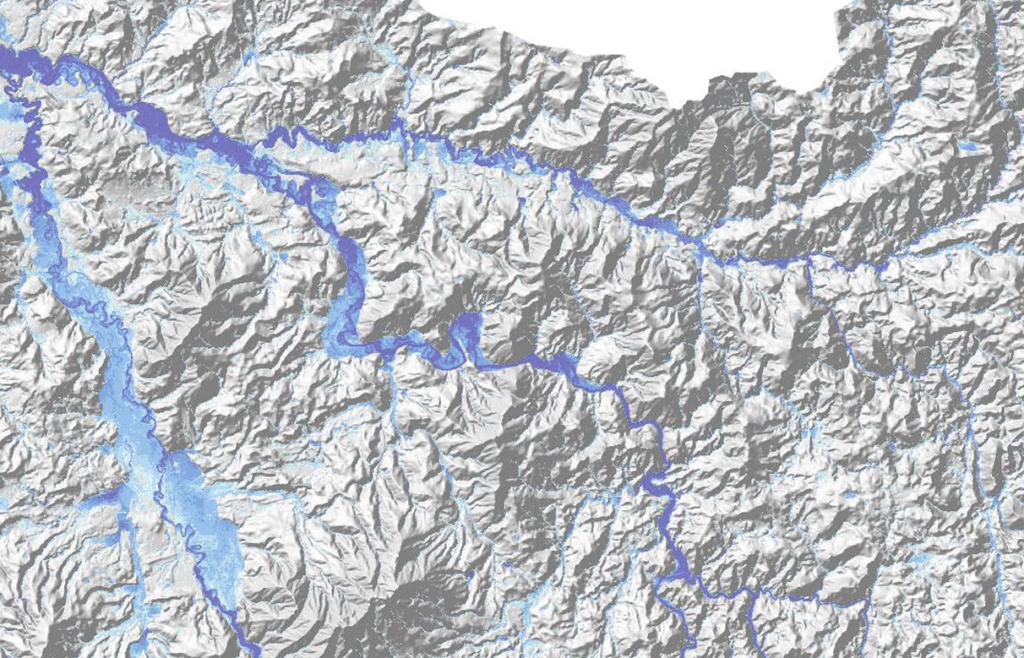
TUFLOW (Two-dimensional Unsteady FLOW) is a hydraulic model developed by the Australian consultancy, BMT, and is widely used in flood modelling and hydrodynamic simulations. TUFLOW is versatile, offering both 1D and 2D modelling options. It simulates flow over complex topographies and is used extensively for urban flood modelling, river systems, coastal zones, and dam breach analysis.
Key Features:
- Comprehensive Hydrodynamics: TUFLOW simulates unsteady flow in both rivers and floodplains. It models flow conditions that vary with time and space, accounting for complex flow interactions such as overland flow, floodplain inundation, and channel flow.
- Grid types: TUFLOW can work with a range of computational grids, including structured, unstructured, quadtree, and Sub Grid Sampling (SGS) grids. This flexibility allows it to model highly complex terrains with ease.
- Flood Hazard Analysis: TUFLOW is commonly used in flood risk analysis, helping to predict flood behaviour, identify flood-prone areas, and inform flood management strategies.
Overview of HEC-RAS
HEC-RAS (Hydrologic Engineering Centre’s River Analysis System) is a hydraulic modelling tool developed by the U.S. Army Corps of Engineers. It is widely used for riverine and floodplain modelling and can simulate both steady and unsteady flow conditions. HEC-RAS has evolved significantly over the years, and with the introduction of its 2D capabilities, it has become a prominent tool in flood modelling and hydraulic analysis.
Key Features:
- Integrated Hydraulic Modelling: HEC-RAS offers 1D and 2D modelling capabilities. It is primarily designed for riverine modelling and floodplain interactions.
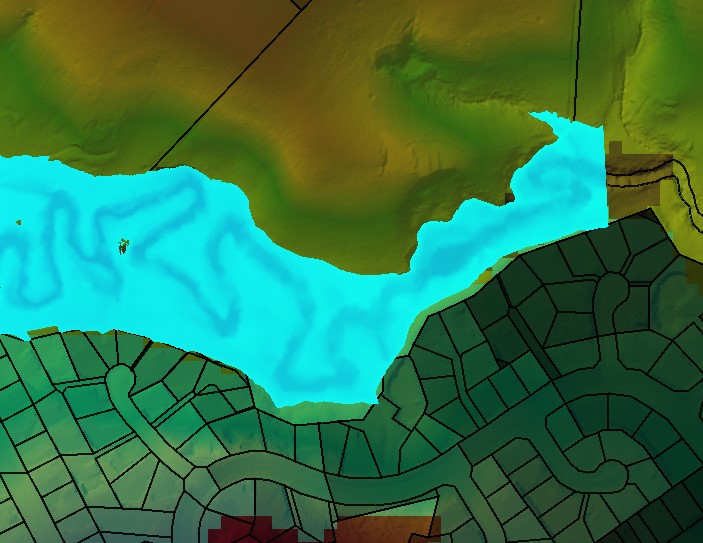
- Grid types: HEC-RAS uses a structured mesh and allows for varied cell sizes using internal features to simulate water flow across floodplains, providing accurate predictions for flow patterns, water surface elevations, and velocity fields.
- Free and Open Source: Unlike TUFLOW, HEC-RAS is available as free software, which has made it a popular choice for a wide range of users, from government agencies to consultants and academic institutions.
Key Differences Between TUFLOW and HEC-RAS
While both TUFLOW and HEC-RAS can model two-dimensional flow dynamics, they differ in several ways that impact their usability, accuracy, and application.
- Hydrodynamic Capabilities
- TUFLOW:
- Detailed Hydrodynamics: TUFLOW excels in simulating complex hydraulic phenomena, including urban flooding, dam breach modelling, and coastal interactions. It can account for complex flow dynamics like inundation, flow-path modelling, and water depth/velocity variations with high accuracy.
- Wetting and Drying: TUFLOW handles wet and dry conditions on a cell-by-cell basis, allowing for more gradual transitions and accurate representation of shallow flow.
- HEC-RAS:
- Flow Simulation: HEC-RAS is capable of simulating unsteady flows and floodplains but lacks some of the advanced features of TUFLOW in capturing certain hydrodynamic complexities.
- Drying and Wetting: HEC-RAS employs a front-tracking method to identify the boundary between wet and dry cells, which can be effective for sharp transitions.
- Ease of Use and Learning Curve
- TUFLOW:
- Advanced Features, Steeper Learning Curve: TUFLOW is considered a more advanced and sophisticated tool compared to HEC-RAS. Due to its broad range of features and flexibility, users may experience a steeper learning curve, particularly for those unfamiliar with hydraulic modelling or the software’s complex interface.
- Input Preparation: The software requires careful preparation of input data, including topographic details and boundary conditions, which can be time-consuming.
- HEC-RAS:
- User-Friendly: HEC-RAS is often praised for its user-friendly interface. The learning curve is not as steep as TUFLOW, making it more accessible for beginners or those new to hydraulic modelling.
- Free and Accessible: Being open-source, HEC-RAS is a popular choice for organizations with limited budgets or smaller-scale projects. Its free access is an advantage over TUFLOW, which is a commercial software requiring a license.
- Computational Performance
- TUFLOW:
- Highly Optimized: TUFLOW is designed to handle large and complex simulations with high efficiency, especially for large-scale flood modelling or 2D river systems. It can simulate large, detailed floodplains while maintaining a high level of computational accuracy.
- Parallel Computing: TUFLOW supports parallel computing, which speeds up simulations significantly on multi-core systems.
- HEC-RAS:
- Good Performance for Standard Simulations: HEC-RAS can also handle large flood models, but it may not perform as well as TUFLOW when it comes to highly complex simulations. Recent versions have improved the speed and efficiency of 2D simulations, though they may still lag behind TUFLOW in terms of computational performance.
- Support and Community
- TUFLOW:
- Commercial Support: TUFLOW offers commercial support, including training, user manuals, and dedicated customer service. This is an advantage for users seeking expert guidance or troubleshooting assistance.
- Community: While there is a strong user community, it is relatively smaller compared to HEC-RAS.
- HEC-RAS:
- Large User Base: Being free and open-source, HEC-RAS benefits from a vast, active user community. It has extensive resources online, including forums, guides, and a large body of academic literature.
- U.S. Army Corps Support: As a government-developed tool, HEC-RAS has strong institutional backing, particularly from the U.S. Army Corps of Engineers. This ensures ongoing development and support.
Conclusion
Both TUFLOW and HEC-RAS are powerful hydraulic models, each with its unique strengths and use cases.
- If you are working on large-scale, complex flood modelling projects where flexibility, detailed hydrodynamics, and advanced features like wetting and drying are essential, TUFLOW is likely the better choice.
- For simpler or budget-constrained projects where ease of use, accessibility, and the ability to model riverine systems effectively are prioritized, HEC-RAS might be more suitable.
Ultimately, the choice between TUFLOW and HEC-RAS will depend on the specific requirements of your project, the complexity of the terrain, and your available resources.